Publish Date: Sat, 07 Nov 2026 (01:09 IST)
Updated Date: Sat, 07 Nov 2026 (09:27 IST)
Narak Chaturdashi holds special significance during the five-day Diwali festival. Also known as Chhoti Diwali, Roop Chaudas and Kali Chaudas, the festival is celebrated with several religious rituals. These include lighting diyas, worshipping Lord Krishna, offering diyas to Lord Yamaraj and taking an early morning oil bath, popularly known as Abhyang Snan.
Taking an oil bath before sunrise is one of the most important traditions associated with Narak Chaturdashi. But why is this ritual performed, and what are the religious beliefs behind it? Let's understand its significance and traditional practices.
Why Is an Oil Bath Taken on Narak Chaturdashi?
The tradition of taking an oil bath on Narak Chaturdashi is known as Abhyang Snan. The word 'Abhyang' refers to massaging the body with oil.
On this day, devotees wake up early, preferably before sunrise, apply sesame oil to their bodies and then take a bath.
It is believed that taking an oil bath with sesame oil before sunrise on Narak Chaturdashi helps cleanse a person of sins and brings happiness, prosperity and good fortune. In several regions, people also apply traditional herbal pastes (Ubtan).
According to religious beliefs, Goddess Lakshmi resides in oil, while Goddess Ganga resides in water on the Chaturdashi of Krishna Paksha in the month of Kartik. Therefore, applying oil and bathing on this day are considered particularly auspicious and spiritually beneficial.
What Is the Connection Between the Killing of Narakasura and the Oil Bath Ritual?
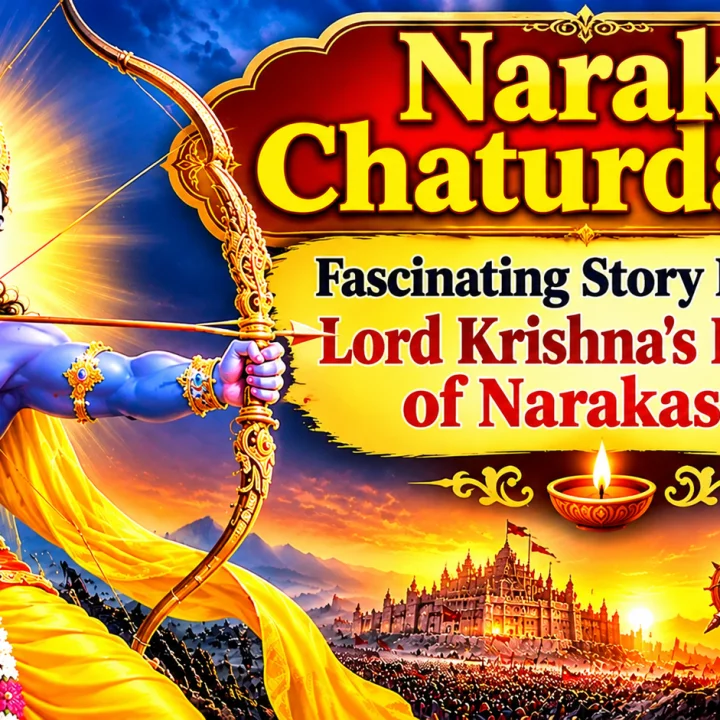
The tradition of Narak Chaturdashi is closely associated with the mythological story of Lord Krishna and the demon Narakasura.
According to Hindu mythology, Narakasura was a powerful demon who began tormenting gods and human beings because of his arrogance and growing power. He had imprisoned several young women and also stolen the divine earrings of Aditi, the mother of the gods.
Troubled by his atrocities, the gods sought help from Lord Krishna. He subsequently fought Narakasura, killed the demon and freed the women held captive by him.
LLord Krishna took an oil bath after killing Narakasura. The tradition of performing Abhyang Snan on Narak Chaturdashi is believed to have originated in remembrance of this event.
This is why devotees wake up before sunrise and take a traditional oil bath on this occasion.
Why Are Goddess Lakshmi and Goddess Ganga Believed to Reside in Oil and Water?
Another important religious belief associated with Abhyang Snan is that Goddess Lakshmi resides in the oil applied to the body, while Goddess Ganga resides in the water used for bathing on Narak Chaturdashi.
This tradition is mentioned in the Kartik Mahatmya section of the Skanda Purana, which describes the religious significance of applying oil and bathing on this auspicious day.
How to Perform Abhyang Snan on Narak Chaturdashi?
Abhyang Snan follows a traditional bathing procedure, although the exact customs may vary across regions and families.
Here is how devotees traditionally perform the ritual:
-
Wake up during Brahma Muhurat: Get up early on Narak Chaturdashi, preferably before sunrise, as taking a bath before sunrise is considered auspicious.
-
Apply sesame oil: Take some sesame oil in a small bowl and gently massage it over your body.
-
Massage different body parts: Apply oil to the head, hands, feet and other parts of the body. Some regions also follow the tradition of using mustard oil.
-
Apply Ubtan: After the oil massage, apply a natural herbal paste made using ingredients such as gram flour (besan), turmeric, sandalwood and other fragrant natural substances.
-
Take a bath: Bathe with clean water. Some families also add a few drops of Gangajal (holy Ganga water) to the bathing water as part of the ritual.
Following these traditional practices is believed to bring spiritual purification, good health and prosperity.
What Is the Significance of Applying Ubtan on Narak Chaturdashi?
The tradition of applying Ubtan and taking an oil bath is also one of the reasons why Narak Chaturdashi is popularly known as Roop Chaudas.
On this day, devotees apply a special herbal paste made from turmeric, gram flour, sandalwood and other natural fragrant ingredients after massaging their bodies with oil.
Disclaimer: The content provided here is based on beliefs and information only. Always consult a concerned expert.