Publish Date: Fri, 20 Feb 2026 (15:54 IST)
Updated Date: Fri, 20 Feb 2026 (16:03 IST)
With the rapid digitisation of traffic enforcement in India, the process of receiving and paying fines has moved almost entirely online. However, this convenience has also opened doors for cybercriminals to target unsuspecting vehicle owners. Understanding how to differentiate between a genuine government message and a fraudulent one is critical for your financial safety. If you receive a message regarding a violation, the first step should always be to visit a legitimate portal to perform a
traffic challan scam check. For instance, if you are driving in northern India, you should specifically look for official guides like the
UP traffic challan manual to verify the correct payment links. Knowing the subtle signs of a fake notification can protect you from falling victim to phishing attacks.
Fraudulent messages often create a sense of extreme urgency, threatening the immediate suspension of your driving license or impounding of your vehicle. A genuine government notification will never use threatening language to force a quick payment.
Common Signs of a Fraudulent Challan Message
Scammers use various psychological tricks to make their fake notifications look believable. By staying calm and looking for specific red flags, you can easily spot a scam.
Suspicious Links and URLs
The most obvious sign of a scam is the URL provided in the message. Official government websites in India always end with ".gov.in" or ".nic.in". Scammers often use look-alike domains that might look like "https://www.google.com/search?q=echallan-vahan-payment.com" or shortened links like bit.ly or tinyurl. These links lead to "clone" websites designed to steal your credit card details or bank login credentials. Never click on a link that does not lead to an official government domain.
Absence of Specific Vehicle Details
A genuine traffic challan notification will always include your specific vehicle registration number and the last four digits of your engine or chassis number. Fake messages are often generic, addressing you as "Dear Citizen" or "Vehicle Owner." If a message claims you have a pending fine but does not mention your car’s actual plate number, it is almost certainly a fraudulent attempt to steal your data.
Verifying Through Official Channels Only
The safest way to handle any traffic notification is to ignore the link in the message and manually visit the official portals. This ensures that you are interacting with the authorized government systems.
Using the Parivahan Sewa Portal
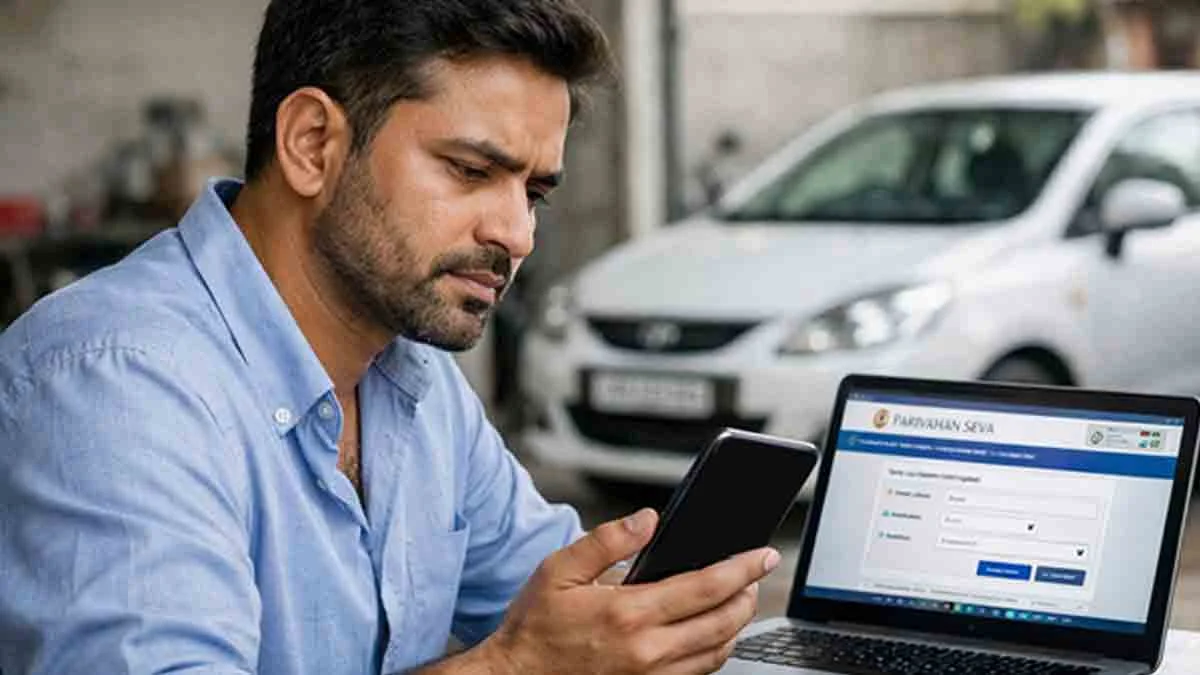
The Parivahan Sewa website is the central hub for all vehicle-related services in India. By entering your vehicle number or challan number directly on this site, you can verify the existence of any genuine fine. If the official portal shows no pending violations, you can safely delete the suspicious message and block the sender.
Checking via Official Mobile Apps
Mobile applications like mParivahan provide a secure way to check your driving records and any active challans. These apps are linked directly to the national database and provide real-time, authenticated information. Using these official apps eliminates the risk of accidentally landing on a phishing website created by scammers.
Protecting Your Financial Information
When you are ready to pay a genuine fine, the payment process should follow a standardised and secure path. Being aware of how government payments work can help you stay safe.
Official Payment Gateways
Government portals use secure, integrated payment gateways that offer multiple options like UPI, net banking, and debit cards. If a notification asks you to pay via a direct transfer to a personal phone number or a private wallet without going through a proper gateway, it is a scam. Genuine systems will always provide a downloadable receipt with a unique transaction ID after a successful payment.
Avoiding Sharing Sensitive OTPs
No traffic official or government system will ever call you to ask for a One-Time Password (OTP) or your bank PIN to settle a challan. If you receive such a call, hang up immediately. Scammers often pretend to be "helpdesk assistants" to gain access to your accounts.
Reporting a Traffic Challan Scam
If you encounter a suspicious message, reporting it can help protect others in your community. Taking proactive steps against cybercrime is a responsibility shared by all digital citizens.
Conclusion
The rise of digital traffic management has brought many benefits, but it requires a high level of vigilance from vehicle owners. By learning how to verify the authenticity of a challan notification and sticking to official government portals, you can enjoy the convenience of online payments without the fear of scams. Always remember that a few minutes of verification can save you from significant financial loss. Stay informed, use authorised apps, and never rush into making a payment through an unverified link. Your digital safety depends on your ability to spot the difference between a real notice and a deceptive scam.